
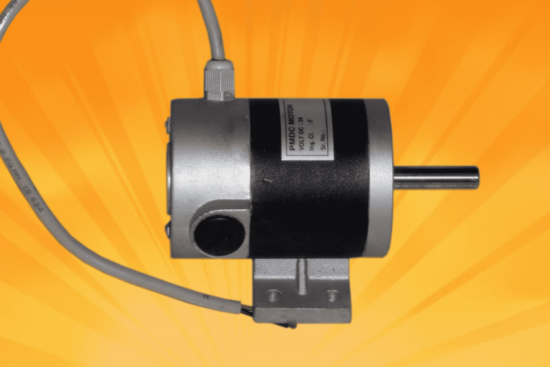
Introduction to Industrial DC Motor Maintenance
Direct current (DC) motors are known for high starting torque and precise speed control. However, like all electro-mechanical machinery operating in industrial environments, brushed DC motors require systematic preventive maintenance to prevent sudden breakdowns, commutator arcing, and insulation failure.
Implementing a structured preventive maintenance routine extends motor operating life, reduces unscheduled downtime, and lowers total cost of ownership. As a leading PMDC Motor Manufacturer in India, Globe Scott Motors provides maintenance support for plant engineers. Explore our complete DC Motor Manufacturer in India range, our DC Motor Manufacturer in India history, and our dedicated product catalogs.
1. Preventive Maintenance Checklist
- Carbon Brush Inspection: Measure brush length. Replace carbon brushes when worn down to 30% of original height or when spring pressure drops below 2.0 N/cm².
- Commutator Surface Care: Inspect commutator patina (copper oxide film). Clean carbon dust accumulation from commutator mica slots using dry compressed air (< 30 PSI).
- Insulation Resistance (Megger Test): Measure winding insulation resistance to frame using a 500V DC megohmmeter. Insulation resistance should exceed 10 MΩ.
- Bearing Lubrication & Vibration Check: Inspect sealed ball bearings for abnormal noise, elevated temperature (> 85°C), or radial shaft play.
2. DC Motor Troubleshooting Guide
| Symptom | Probable Root Cause | Recommended Corrective Action |
|---|---|---|
| Excessive Commutator Arcing / Sparking | Worn carbon brushes, high mica on commutator, incorrect brush neutral axis. | Replace brushes, undercut commutator mica slots, reset brush holder seating angle. |
| Motor Overheating under Rated Load | Overloaded shaft, restricted airflow, shorted armature turns, high ambient heat. | Verify load torque, clear fan vents, conduct surge test on armature windings. |
| Abnormal Bearing Noise / Vibration | Brinelled or contaminated ball bearings, unbalance. | Replace bearings, rebalance armature to ISO 1940 Grade G2.5. |
| Motor Fails to Start (Draws Zero Current) | Blown fuse, broken brush pig-tail, open armature coil. | Test continuity, inspect carbon brush connections, repair armature leads. |
For custom reduction gear maintenance, view our PMDC Geared Motor Manufacturer in India catalog and Geared Motor Manufacturer in India range. For transaxle maintenance, see our PMDC Transaxle Motor Manufacturer in India page. For railway motors, browse our Railway Signalling Motor Manufacturer in India section. Read more about DC motor advantages in our guide on key benefits of using DC motors or review what is a PMDC motor and its selection guide. For brushless options, explore our BLDC Motor Manufacturer in India series.
3. Frequently Asked Questions (FAQs)
Q1: How often should carbon brushes be inspected in industrial DC motors?
Carbon brushes should be inspected every 1,000 to 2,000 operating hours, or every 3 to 6 months in continuous plant service.
Q2: What is a healthy commutator patina color?
A healthy commutator features a uniform dark chocolate brown or copper oxide film. Bright shiny copper indicates severe abrasive brush wear.
Q3: What causes high mica on a DC motor commutator?
Because copper segments wear down faster than hard mica insulation strips between them, mica eventually projects above the copper, causing brush bouncing and intense sparking.
Q4: What insulation resistance reading indicates a safe DC motor winding?
An insulation resistance reading above 10 MΩ (tested with a 500V DC megger) indicates clean, dry windings. Readings below 1 MΩ require baking and re-varnishing.
Q5: Can over-lubricating bearings damage a DC motor?
Yes. Excessive grease gets forced into the motor interior, contaminating carbon brushes and shorting commutator bars.
Q6: Why do carbon brushes spark more after replacement?
New brushes must be bedded (curved to match commutator curvature using abrasive bedding stones) before full load operation.
Q7: When should a brushed DC motor be replaced with a Brushless DC (BLDC) motor?
Switch to BLDC motors when zero maintenance, high efficiency (> 90%), or hazardous explosive dust protection is required.
Q8: Where can I source replacement components for Globe Scott DC motors?
Original replacement brushes, brush holders, and armatures can be ordered via our contact our motor engineering specialists page.
Conclusion
Routine inspection of carbon brushes, commutator surfaces, insulation resistance, and bearings guarantees long, trouble-free DC motor performance.
Globe Scott Motors provides comprehensive motor support across India. Contact our technical team today for maintenance guidance and spare parts.